Buying a business jet is the easy part. Operating one, with the regulatory compliance, maintenance planning, and vendor coordination that comes with it, is where many new owners hit a wall, whether they build an in-house flight department or hand day-to-day operations to a management company.
Julie Bourke, JSSI’s Global VP of Client Services, whose team is the day-to-day point of contact for every aircraft on a JSSI program, spoke with Aviation International News about where JSSI fits in that picture: as the independent maintenance and technical partner working alongside owners and the management companies that represent them, and what a good partner should bring to the relationship.
The following is adapted from JSSI’s contributions to a sponsored feature published by Aviation International News on June 16, 2026.
—
There is no debate that the years following the pandemic have seen a renaissance of business aviation activity around the world. According to the General Aviation Manufacturers Association (GAMA), 2025 was a banner year, with 854 new business jets delivered, marking an 11.8% increase from 2024.
While most of these new aircraft went to established operators, industry insiders say about one-third went to first-time buyers, many of them individuals and companies buying after positive experiences with charter or fractional ownership.
Unbeknownst to many of these new owners is the reality that owning and operating any aircraft is an extremely complex, expensive, and time-consuming undertaking, and is a common source of “buyer’s remorse.”
That complexity is why so many owners bring in professional support, and the reasons vary as widely as the owners themselves. Some already have a flight department and need expertise it does not carry in-house. Others are adding charter or flying more internationally than they used to. In every case, the operation has outgrown what one team can manage alone.
“Flexibility matters, and it is core to the JSSI model,” Bourke said. “For example, not every owner needs the same maintenance program or coverage, and a good services partner should be able to customize around specific assets, utilization profile, risk tolerance, and operational profile, rather than offering a one-size-fits-all solution.”
What to look for in an aircraft management company
As Bourke explains, “The right services provider brings aircraft and operational expertise, regulatory knowledge, safe infrastructures and established vendor relationships, and knows how to coordinate them all for the aircraft owner’s benefit. The larger management companies often have broader fleet experience and a wider geographical footprint. At the same time, smaller, more specialized firms may offer deeper expertise in a specific aircraft type or regional market.”
Choosing a management company deserves the same discipline as choosing the aircraft itself. Start with how you intend to operate, then find the provider whose capabilities match. And take your time. You are trusting a highly valuable asset to that company, and the more you know about who they are and how their expertise fits your operation, the better.
Successful aircraft management is the sum of its parts
While operating under a charter certificate is optional, routine inspections and maintenance are not. That makes how a provider handles maintenance, and who does the work, one of the most important things to understand before you sign.
JSSI’s portfolio of services, complemented by strong relationships across a global network of maintenance, repair, and overhaul (MRO) facilities, is why so many aircraft management companies work with JSSI’s technical team when selecting the right facility for inspections, maintenance, upgrades, and other operational needs.
“We are an independent aviation services company that partners with management companies to help them deliver better outcomes and maintenance planning for the aircraft owners they represent and serve,” Bourke explained. “From day one, every aircraft on a JSSI program has a dedicated service representative, a technical advisor, and, where applicable, a dedicated product line specialist for their specific engine or airframe.”
“JSSI helps management companies fulfill their core obligation to the aircraft owner by supporting maintenance services that ensure the aircraft is available when the owner needs it and that costs are predictable,” she continued. “For example, our hourly maintenance programs provide budget stability, uniquely covering all assets across most business aviation platforms, including engines, airframes, and APUs (auxiliary power units).”
Another way JSSI helps management companies plan and control budgets is through its maintenance tracking platform, Traxxall. “It gives the aircraft’s managers full visibility into upcoming scheduled maintenance so they can plan ahead and minimize downtime,” Bourke said. “When a major inspection is approaching, our technical team works alongside the management company to benchmark costs, review estimates, and ensure nothing surprises the aircraft owner.”
Because JSSI’s support contracts are not tied to OEM-owned maintenance networks, the management company can choose the MRO that best fits the immediate needs.
“Additionally, JSSI’s established relationships with maintenance facilities across the industry mean that our clients often benefit from our negotiated agreements and purchasing power: savings and access that an individual owner or management company may not be able to secure on their own,” Bourke added. “JSSI’s guidance before, during, and after maintenance delivers significant value to the aircraft’s owner, and in turn, to the management company.”
What professional support costs, and what it saves
While every situation is different, the fees for professional management or operational support are small when measured against the overall budget of owning and operating a business jet. Bourke stresses that the more useful question is how much time and money the right partner saves an owner’s operation.
Helping the owner achieve maximum aircraft availability is another reason management companies value JSSI’s independence.
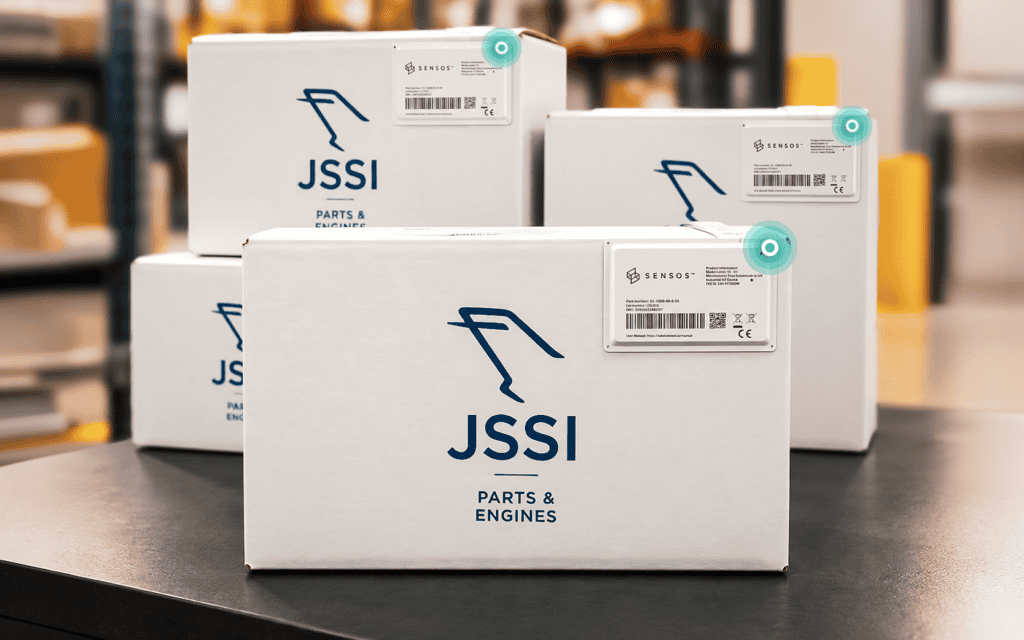
“Management companies often operate mixed fleets under one roof, and because JSSI is manufacturer independent, we’re a consistent partner across all those aircraft, even for those not on one of our programs,” Bourke said. “For example, through JSSI Parts & Engines, we can supply parts and rental engines for their aircraft, which helps minimize AOG (aircraft on ground) time whenever possible.”
Executive Insight: What is your best tip for choosing an aircraft operations services provider?
“The most important thing is to look for a partner whose strengths fill the gaps. An aircraft management company handles operations, while JSSI handles the financial, technical, and analytical infrastructure that supports those operations. Ultimately, the best solution is the one whose strengths align with what matters most to your specific operation.”
Julie Bourke, Global VP of Client Services, JSSI
The bottom line is enhanced aircraft operations
Doing your homework to find the right management company takes effort. The payoff, as Bourke describes it, is an operation with far fewer surprises.
“For an aircraft owner or business operator, the benefit is clear: they get expert oversight of a highly complex, heavily regulated asset,” Bourke said. “The owner focuses on flying when they need to, while the professional aircraft services provider handles everything that makes it possible.”
–
Visit AIN to read the full article >
Whether an owner runs a flight department or works through a management company, the maintenance side of ownership is where budgets and schedules come under the most pressure. JSSI’s hourly cost maintenance programs cover engines, airframes, and APUs across most business aviation platforms, giving owners and the management companies that represent them the cost predictability and independence Bourke describes.
Learn more about JSSI Maintenance Programs >